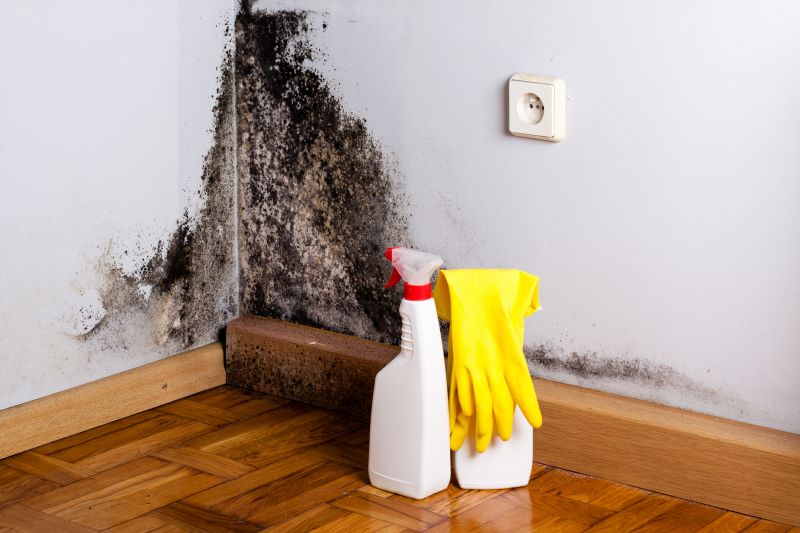
White Mold Mitigation in Essex County, NJ
White mold mitigation services focus on identifying and removing mold growth that appears as a white or powdery substance on surfaces within residential properties. These services typically address issues in areas prone to excess moisture, such as bathrooms, basements, attics, or around plumbing fixtures. Projects may involve thorough inspections to locate hidden mold, followed by targeted cleaning and treatment to eliminate mold colonies and prevent future growth. Homeowners considering this service often want to understand the extent of mold presence, the methods used for removal, and any steps necessary to reduce moisture levels that contribute to mold development.
Property owners usually inquire about the types of surfaces that can be treated, the potential health implications of mold exposure, and the importance of addressing underlying moisture problems. Clarifying whether the service includes both removal and prevention strategies can help in planning for long-term mold control. It is also common for homeowners to seek guidance on how to maintain a dry environment and reduce the risk of mold reappearance after mitigation efforts are completed.
Many property owners in Essex County, NJ look into White Mold Mitigation for repairs, replacements, upgrades, and appearance-related improvements.
Understanding White Mold
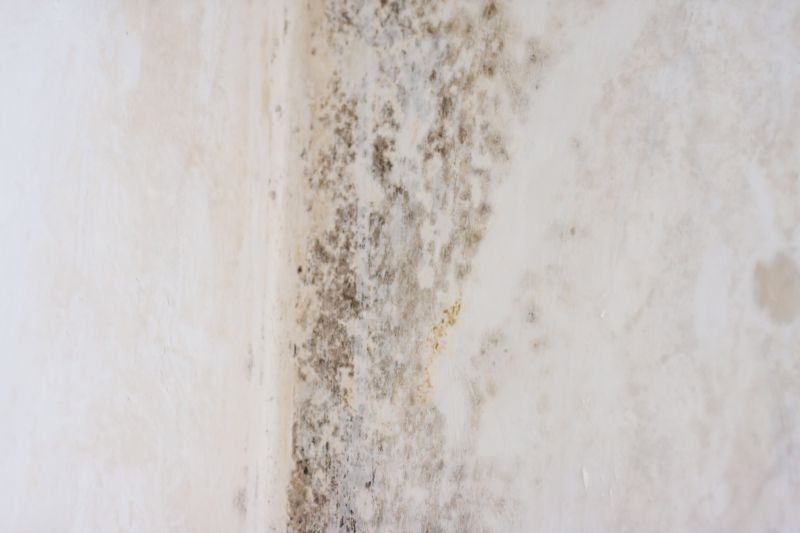
White mold often develops in damp areas like basements and bathrooms in essex county homes.
Signs Of Mold Growth
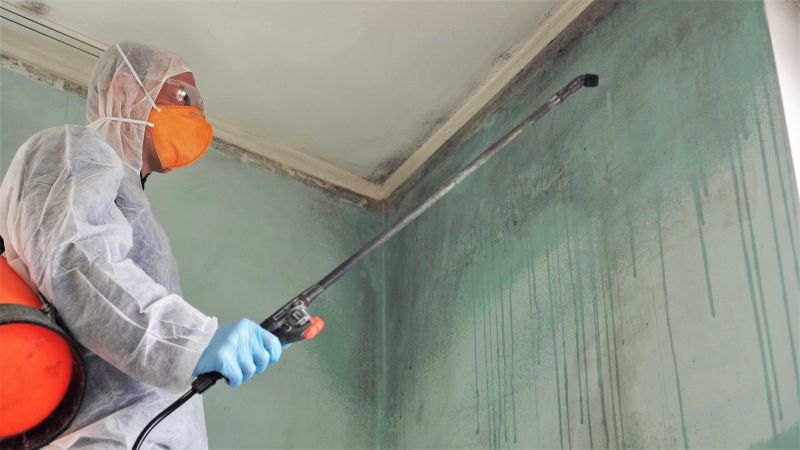
Visible patches, musty odors, and increased humidity can indicate the presence of white mold indoors.

Preventing Mold Recurrence
Controlling moisture levels and fixing leaks are key steps to prevent white mold from returning in your property.
White Mold Mitigation in Essex County, NJ
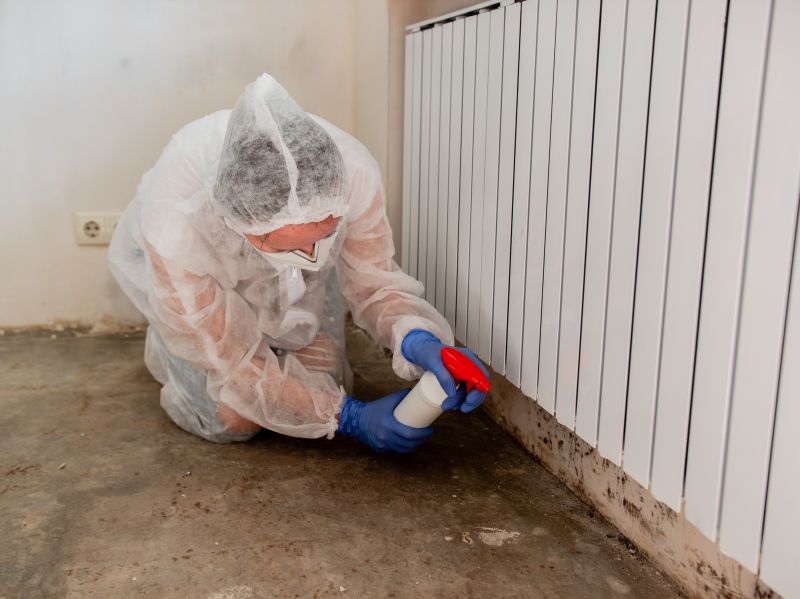
White mold mitigation services focus on identifying and removing mold growth that appears as a white or powdery substance on surfaces within residential properties. These services typically address issues in areas prone to excess moisture, such as bathrooms, basements, attics, or around plumbing fixtures. Projects may involve thorough inspections to locate hidden mold, followed by targeted cleaning and treatment to eliminate mold colonies and prevent future growth. Homeowners considering this service often want to understand the extent of mold presence, the methods used for removal, and any steps necessary to reduce moisture levels that contribute to mold development.
Property owners usually inquire about the types of surfaces that can be treated, the potential health implications of mold exposure, and the importance of addressing underlying moisture problems. Clarifying whether the service includes both removal and prevention strategies can help in planning for long-term mold control. It is also common for homeowners to seek guidance on how to maintain a dry environment and reduce the risk of mold reappearance after mitigation efforts are completed.
Many property owners in Essex County, NJ look into White Mold Mitigation for repairs, replacements, upgrades, and appearance-related improvements.
Common White Mold Mitigation Jobs
White Mold Removal - professional services to eliminate mold growth from indoor spaces.
Mold Inspection - thorough assessments to identify the extent and source of mold issues.
Moisture Control - solutions to reduce humidity and prevent future mold development.
Structural Drying - drying affected building materials to stop mold from spreading.
Mold Remediation Planning - developing effective strategies to safely remove mold and protect property.
Preventive Treatments - applying barriers to inhibit mold regrowth after cleanup.
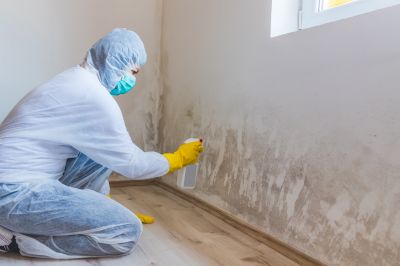
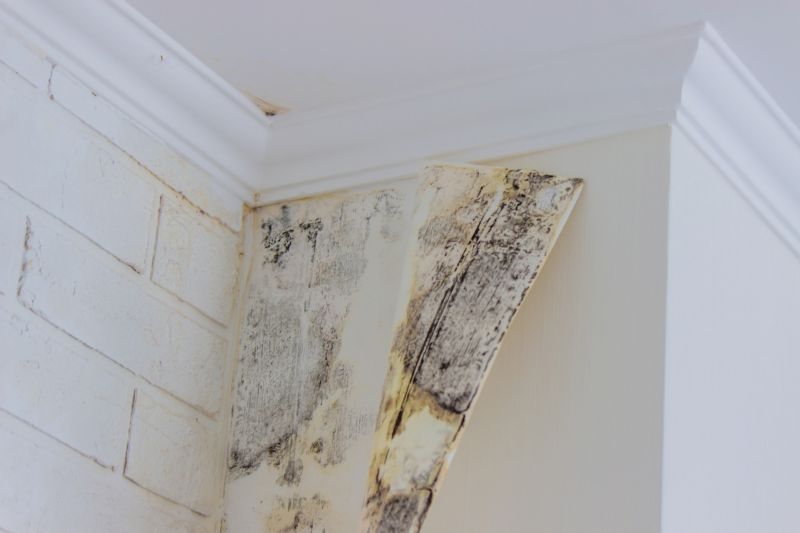
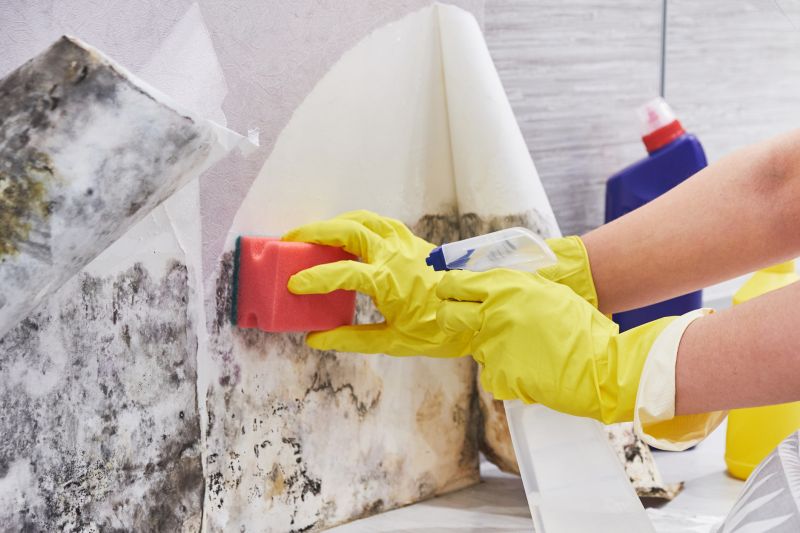
White Mold Mitigation Questions
What is white mold? White mold is a type of fungus that appears as a white or light-colored growth on surfaces, often caused by excess moisture.
Why is white mold a concern for property owners? White mold can cause property damage and may impact indoor air quality, making it important to address promptly.
How is white mold typically removed? Removal involves identifying moisture sources, cleaning affected areas, and applying treatments to prevent regrowth.
When should property owners seek mitigation services? Mitigation is recommended when white mold is visible or suspected to prevent further spread and damage.
Request White Mold Mitigation in Essex County, NJ
Use the quote form on this page to share the basics of your project and request more information for the type of work you need.