Best Floor Waxing Methods for Different Floor Types
People searching for best floor waxing methods for different floor types often want to protect and enhance their floors, and local service providers can recommend and apply the right waxing techniques for each surface.
Understanding the best floor waxing methods for different floor types is essential for maintaining the beauty and longevity of a property’s surfaces. Whether dealing with hardwood, tile, vinyl, or other flooring materials, choosing the right technique can make a significant difference in achieving a polished, durable finish. Property owners in the area often find this information valuable, especially when considering how proper waxing can enhance aesthetic appeal and protect floors from daily wear and tear. Exploring options and insights from local contractors can help ensure that the right approach is taken for each specific floor type, making the process more effective and less risky.
For those looking to keep their floors in top condition, knowing which waxing methods work best for various surfaces is a practical step. Local service providers specializing in floor waxing can assess the unique needs of each floor and recommend tailored solutions that maximize results. Whether it’s a high-traffic commercial space or a cozy residential area, connecting with experienced contractors can provide peace of mind that the job is done correctly. Keep reading to discover useful tips and how local pros can assist in achieving a flawless finish for every type of flooring.
- homeowners seeking to preserve or restore the shine of hardwood floors often rely on local contractors experienced in applying the best floor waxing methods for different floor types. - commercial property managers needing durable floor finishes for tile or vinyl surfaces can find local pros skilled in selecting and applying appropriate wax treatments. - those with concrete floors looking to enhance appearance and protect against wear can connect with service providers knowledgeable about suitable waxing techniques for concrete. - residents with laminate flooring aiming to maintain a polished look may turn to local contractors who understand the best floor waxing methods for laminate surfaces. - property owners wanting to refresh aged or dull floors of various materials can contact local pros experienced in customizing floor waxing approaches for different floor types.
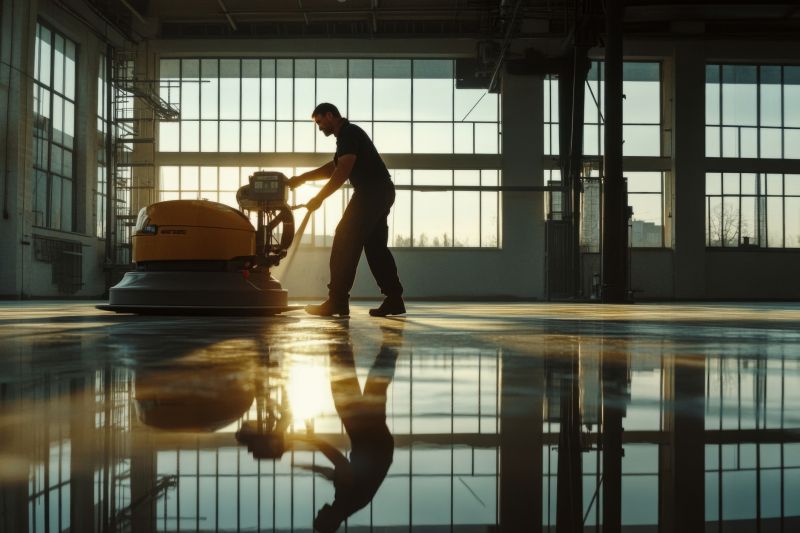
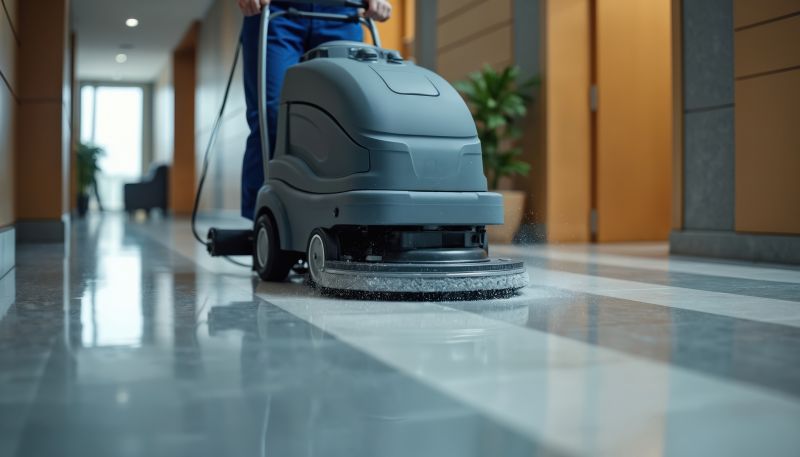
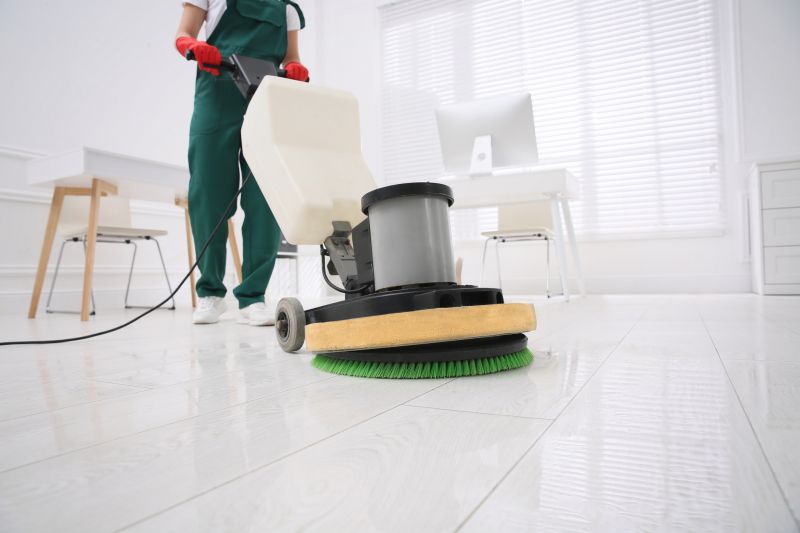
When searching for information about the best floor waxing methods for different floor types, homeowners are often looking to protect and enhance the appearance of their floors. This topic relates to projects aimed at maintaining or restoring the finish of various surfaces, whether to improve durability, achieve a specific aesthetic, or extend the lifespan of the flooring. Many property owners encounter issues like dullness, scratches, or uneven wear and seek tailored solutions that suit their specific floor material. Understanding the appropriate waxing techniques helps ensure that the floor's surface remains protected while looking its best, which is especially important in high-traffic areas or spaces prone to moisture and stains.
This subject is closely connected to planning for ongoing maintenance or a refresh of existing flooring. Problems such as peeling wax, discoloration, or buildup can arise if improper methods are used. Homeowners often consider whether to re-wax or switch to alternative surface treatments, and they may want to know which products and techniques work best for their particular floor type. The goal is to find a method that not only restores shine but also preserves the integrity of the underlying material. Local service providers who specialize in floor waxing can assess the condition of the floors and recommend the most suitable approach, saving time and preventing potential damage caused by unsuitable products or techniques.
The types of properties where these concerns come up frequently include residential homes, apartment complexes, retail stores, offices, and hospitality venues. Each property type presents unique challenges: hardwood floors in a family home may require gentle cleaning and polishing, while commercial spaces with tile or vinyl flooring might need more durable waxing solutions. In some cases, owners want a quick refresh to improve curb appeal, while others seek a long-lasting finish that withstands heavy use. Local contractors experienced in floor waxing can evaluate the specific needs of each property, advise on the best methods for different floor types, and perform the work to achieve optimal results.
Choosing the right floor waxing method depends on understanding the material of the floor and its current condition. For example, hardwood floors often benefit from buffing and applying a wax designed for wood, whereas tile or vinyl floors may require different products and application techniques to avoid damage. The process can involve stripping old wax, cleaning thoroughly, and applying new layers with appropriate tools. Local service providers are equipped to handle these variations, ensuring that the waxing method used aligns with the floor type and desired outcome. Connecting with experienced contractors can help property owners select the best approach, avoid common pitfalls, and maintain beautiful, well-protected floors over time.
Floor stripping and refinishing projects involve preparing surfaces similar to waxing by removing old finishes, requiring knowledge of different floor types and appropriate techniques.
Polishing services for marble and stone floors share skills in surface preparation and finishing that are applicable when applying wax to various flooring materials.
Resilient and vinyl floor restoration projects often involve cleaning and surface prep methods comparable to those used in floor waxing for different floor types.
Wood floor sanding and finishing involves surface preparation and protective coatings, paralleling the skills needed for applying wax to hardwood and laminate floors.
Tile grout cleaning and sealing requires detailed surface work and sealing techniques that complement the waxing process on tiled floors.
Commercial floor polishing services involve large-scale surface preparation and finishing methods similar to those used in maintaining and waxing various floor surfaces.
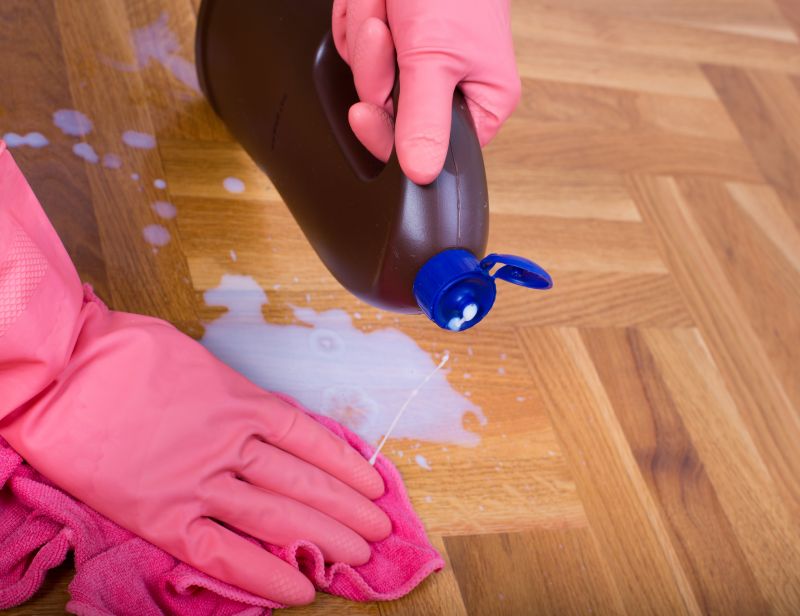
When evaluating service providers for floor waxing, it is important to consider their experience with similar projects and floor types. Pros who have handled a variety of waxing methods and worked with different flooring materials are more likely to understand the nuances of each surface, such as hardwood, tile, or vinyl. This experience can contribute to selecting the most appropriate waxing techniques, ensuring the floor’s appearance and durability are maintained effectively. Homeowners should inquire about the types of floors the local contractors have previously serviced, as familiarity with specific materials can lead to better results and a longer-lasting finish.
Clear communication of expectations is essential when choosing a floor waxing service. Homeowners should seek providers who can explain their recommended waxing methods for different floor types in understandable terms. A reputable service provider will be transparent about the process involved, the products used, and the anticipated outcomes. Establishing this understanding upfront helps prevent misunderstandings and ensures that both parties are aligned on the desired results. Good communication also includes listening to homeowner concerns and preferences, which can influence the choice of waxing techniques suited to the specific floor.
Reputable references and a history of good communication are valuable indicators of a dependable local contractor. Homeowners are encouraged to request references or reviews from previous clients who had similar flooring needs. Talking to past customers can provide insights into the contractor’s professionalism, reliability, and success in delivering quality results. Additionally, a contractor’s responsiveness and clarity during initial discussions can reflect their commitment to customer satisfaction. Choosing a service provider known for good communication and positive references can help ensure the waxing process is handled smoothly, with attention to the unique requirements of different floor types.
Property owners often search for best floor waxing methods for different floor types when they are planning practical projects around their homes and businesses. Local pros provide Floor Waxing services for everyday jobs and straightforward project options.
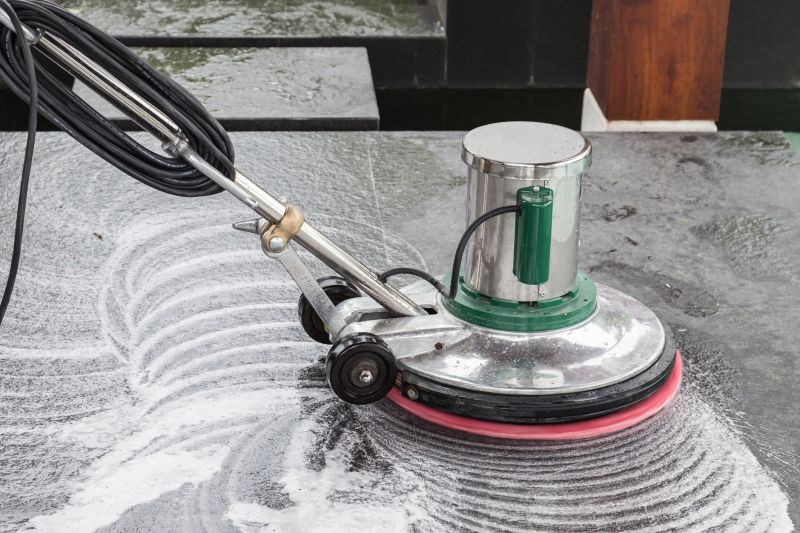
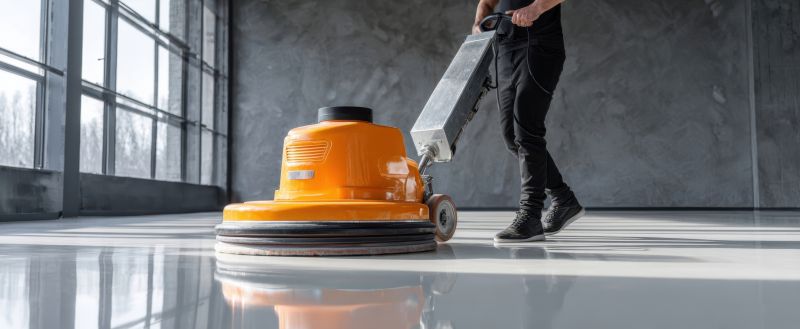
Homeowners in the area often seek out information on the best floor waxing methods for different floor types to preserve the look and durability of their surfaces. Whether dealing with hardwood, vinyl, tile, or laminate flooring, understanding the appropriate waxing techniques helps maintain a polished appearance and protects against daily wear and tear. Many property owners look for guidance online to ensure they choose the right approach for their specific flooring material before considering professional floor waxing services offered by local contractors.
For those who want a long-lasting, professional finish, connecting with local service providers can be a practical step. Local contractors have the experience to recommend and apply the most suitable waxing methods tailored to each floor type, ensuring optimal results. By exploring options from nearby experts, property owners can find the right help to keep their floors looking their best, whether it’s through routine maintenance or a comprehensive waxing treatment.
What are the best floor waxing methods for hardwood floors? Local contractors often recommend using a specialized wax designed for hardwood, applying it with a soft cloth or buffer, and ensuring proper cleaning beforehand to achieve a smooth, durable finish.
How should floor waxing be approached for tile floors? For tile floors, pros typically suggest using a wax compatible with ceramic or porcelain surfaces, applying it evenly with a mop or applicator, and avoiding excessive buildup to maintain the tile’s appearance and slip resistance.
Are there specific waxing techniques for vinyl flooring? Yes, local service providers often use a gentle, low-abrasion wax suitable for vinyl, applying it with a clean cloth or mop, and ensuring thorough removal of excess wax to prevent streaks and preserve the floor’s flexibility.
Can different floor types be waxed using the same method? No, different floors require tailored waxing methods; for example, hardwood may need buffing and polishing, while concrete or stone floors might require specialized sealers or waxes applied with particular tools.
Why is it important to choose the right waxing method for my floor type? Using the correct method helps protect the floor’s surface, enhances its appearance, and ensures a long-lasting finish, which is why experienced service providers customize their approach based on the floor type.
Identifying floor types - Understanding different floor materials helps property owners choose the most effective waxing methods, with local contractors providing guidance tailored to specific surfaces.
Choosing appropriate wax products - Selecting the right wax for wood, tile, or vinyl floors ensures a durable finish, and local service providers can recommend suitable options for each type.
Applying wax correctly - Proper application techniques, whether by buffing or hand-polishing, can enhance the appearance and longevity of floors, with local pros offering expert service.
Maintaining and re-waxing floors - Regular upkeep and re-waxing using proper methods help preserve the floor’s appearance, and local contractors are available to perform these maintenance tasks effectively.
If you are thinking about best floor waxing methods for different floor types for a property, this guide is meant to help you understand this topic, the typical project types, and how different options might fit your plans.
When you are ready, you can use the quote form on this page to share a few details about your project. From there, local pros can review the basics and follow up with options that match what you have in mind.